
Can Driftwood Be Used as Boiler Fuel?
Not without desalting and testing. Untreated driftwood must not be fed to general wood biomass boilers.
Driftwood is not a ready-to-use biomass fuel
Wood collected from the shore may still carry sea salt after drying and chipping. In the furnace, the salt increases fouling, slagging and corrosion, and chlorine raises the risk of dioxin formation.[1]
Cheap fuel is not cheap operation. Washing, drying, cleaning, tube repair and downtime all belong in the cost comparison.
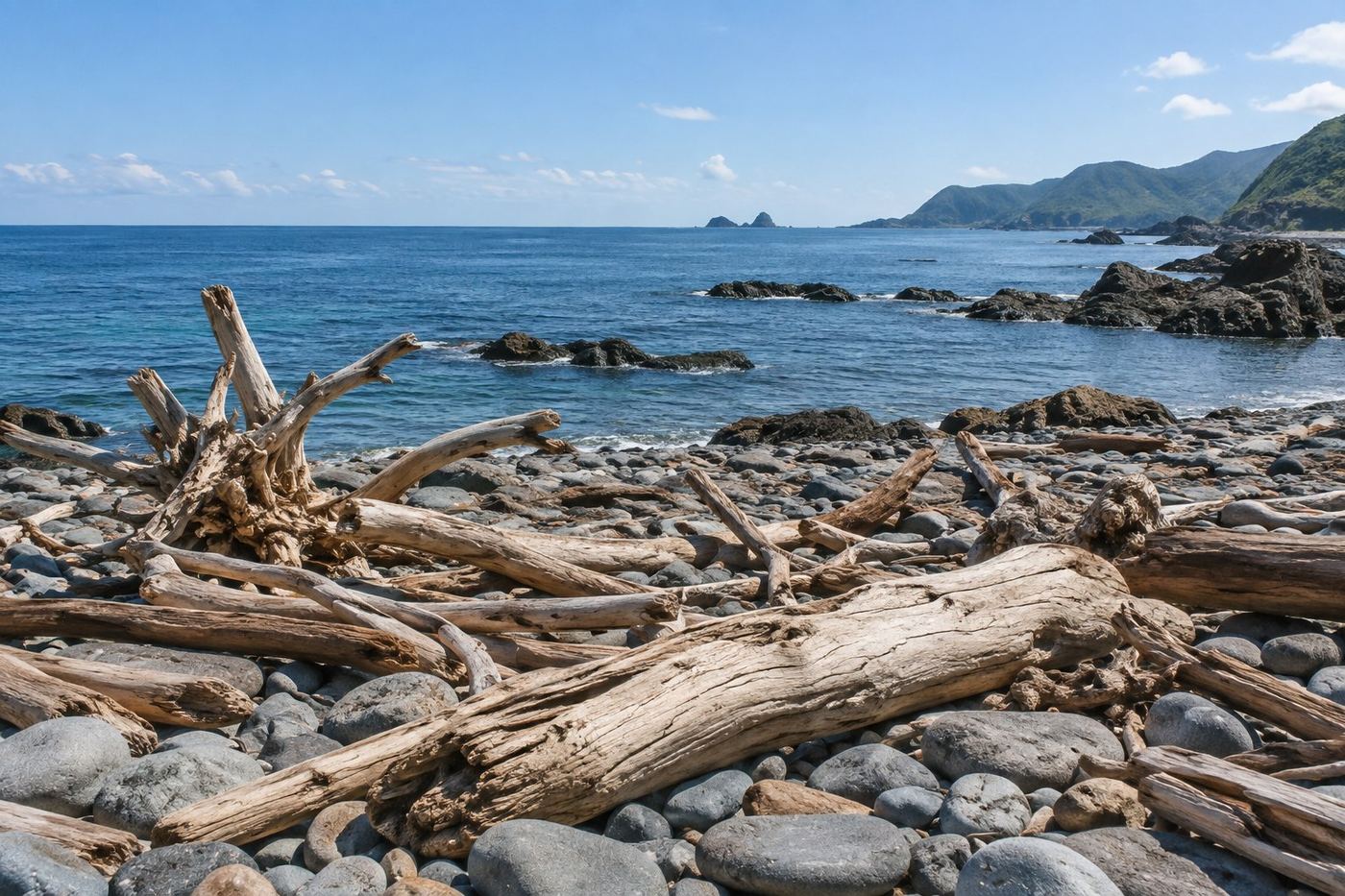
It looks like wood, but brings more than wood into the furnace
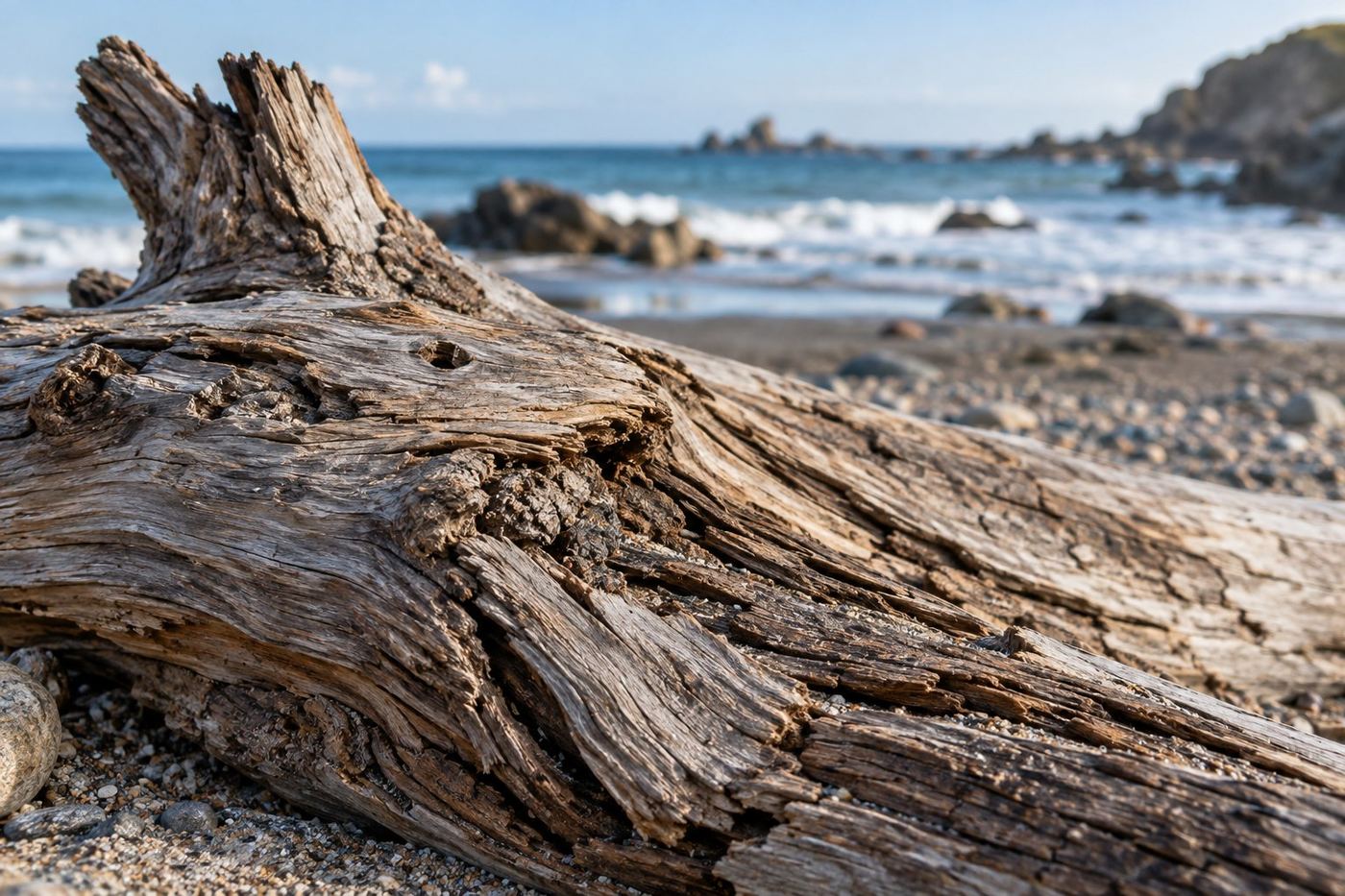
Salt can remain after drying
Driftwood may contain high sodium and chlorine. Drying lowers moisture but does not remove salt. A dry surface without white crust does not prove the chlorine content is acceptable.[1]
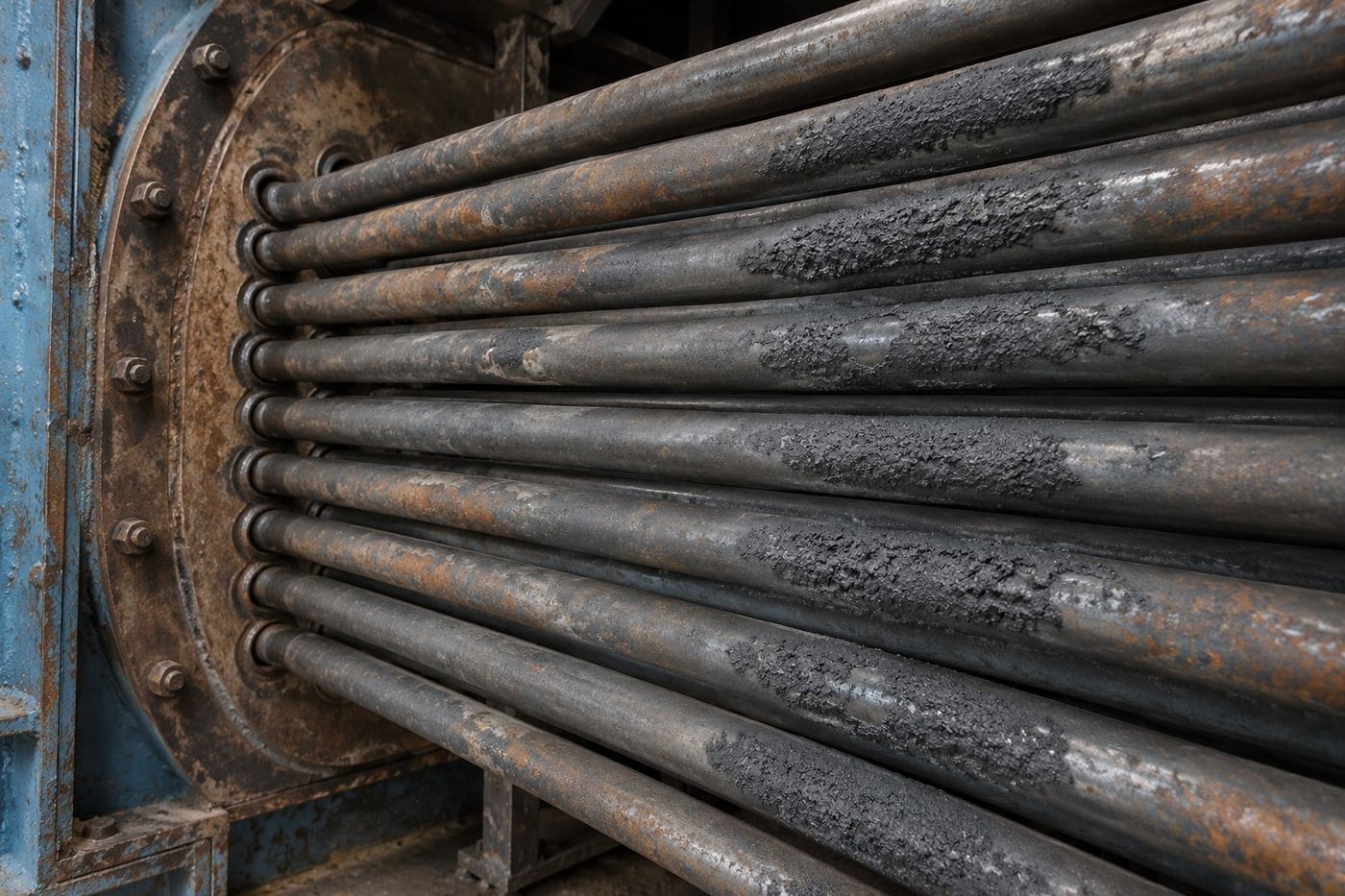
Chlorine deposits increase corrosion
Chloride salts can deposit on tubes. Corrosion depends on fuel composition, metal temperature, material and combustion conditions; superheaters need particular care.[2]
Chlorine also raises dioxin risk
With unburnt carbon, organics and suitable conditions, chlorinated wood can form dioxins and furans (PCDD/F). Incomplete combustion, metal catalysis in fly ash and flue gas cooling all affect formation and emission.[4][5] A hot furnace alone does not rule this out, and chlorine content alone cannot predict emission levels.[4]
Supply quality is unstable
Soaking time, moisture and sand vary. Plastics, rope, metal and painted wood can be mixed in and must be sorted out first.
Appearance, smell or a trial burn cannot replace a fuel analysis.
Problems often appear after start-up
| Effect | What may happen | Impact for the user |
|---|---|---|
| High-temperature corrosion | Chloride deposits may accelerate tube metal corrosion, especially superheaters.[2] | Wall thinning, tube repair and unplanned shutdowns. |
| Low-temperature corrosion | Hygroscopic chlorides can form corrosive liquid in cold sections.[3] | Air preheaters and flues may be damaged. |
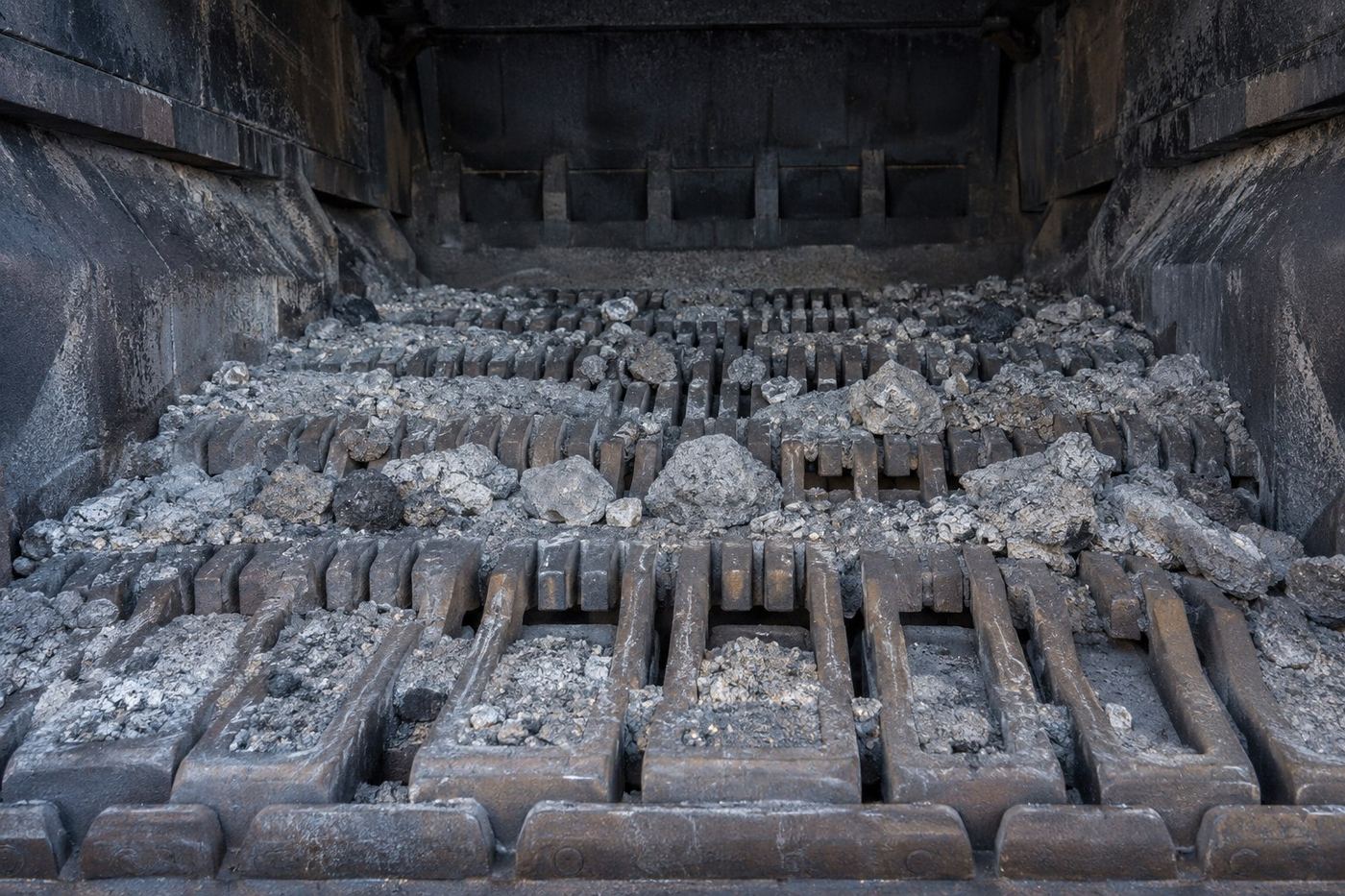
| Fouling and slagging | Salt changes ash chemistry and can increase deposits and clinker.[1] | Poorer air flow and heat transfer; more cleaning stops. |
| Unstable combustion | Moisture and size vary widely. | Steam output and load control become harder. |
| Dioxins and furans | Chlorinated fuels may form PCDD/F during combustion and gas cooling.[4][5] | Flue gas treatment, emission tests and ash handling must be assessed. |
| Emission control | HCl and other emissions must be assessed. | More testing and maintenance. |
| Fuel handling | Sand, metal and rope can wear or jam conveyors. | Extra sorting and repairs. |
Drying removes water, not salt
Rinsing, rain or blending with other wood does not make it an acceptable fuel. Only test results and the boiler's fuel specification decide.
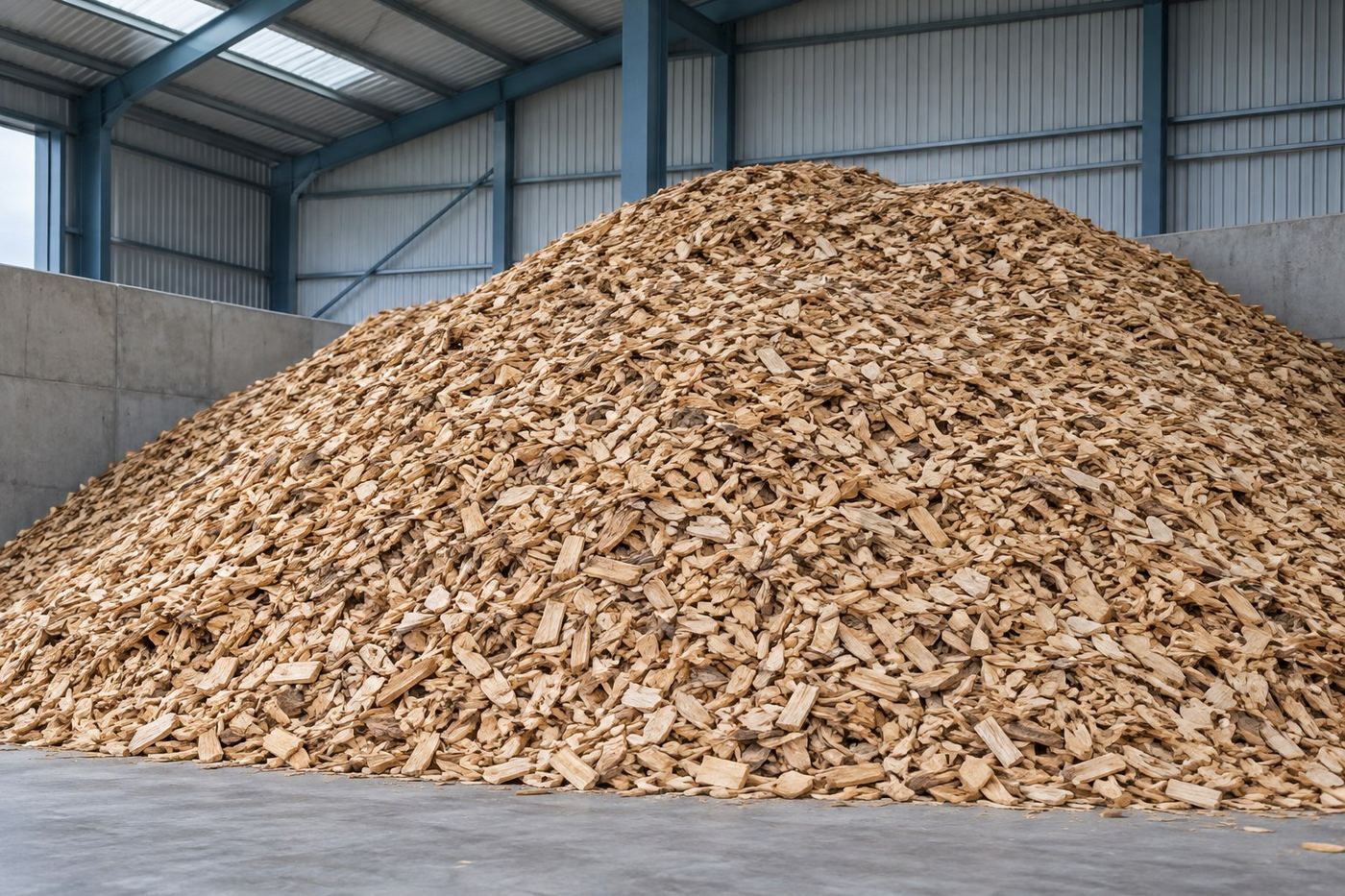
Use wood fuel with a known source and verified quality
Choose wood chips or sawdust that meet the boiler fuel specification, with known source, moisture, particle size and contaminant control.
- Source: check for seawater contact, preservatives or paint; exclude recycled wood of unknown origin.
- Testing: for driftwood reuse, assess at least total chlorine, sodium, potassium, sulfur, ash, moisture and heating value, plus ash fusion where relevant.
- Approval: the boiler supplier confirms suitability for the furnace, tube materials, temperatures and emission equipment before use.
No general chlorine limit or blending ratio is given here; acceptance differs by boiler.
Check these before feeding
Can driftwood burn?
Yes, wood burns. "Not usable" here means driftwood that has not been treated, tested and approved for the equipment. Burning is not the same as long-term reliable operation.
Is a freshwater wash enough?
Washing may reduce soluble salt, but one rinse does not prove treatment. Test representative samples against the fuel specification, and treat the wash water properly.
Can we blend in a little?
The blend must still meet the equipment requirements. If chlorine and ash are unknown, "a little" cannot be judged safe.
If the furnace is hot, are dioxins no problem?
No. Good combustion helps, but dioxins can still form as flue gas cools over carbon-rich ash and metal catalysts. Confirm combustion stability, gas cooling, deposits and treatment equipment, and verify by emission testing.[4][5]
Our boiler has no superheater. Is it safe?
It still needs assessment. Fouling, grate clinker, cold-end corrosion and emissions remain possible.
Technical references
This guidance applies to general wood biomass boilers. It does not state that no specialized process can use driftwood, nor that any law prohibits it.
- Thermal degradation of driftwood: Determination of the concentration of sodium, calcium, magnesium, chlorine and sulfur containing compoundsWaste Management (2017)
- The implications of chlorine-associated corrosion on the operation of biomass-fired boilersProgress in Energy and Combustion Science (2000)
- Cold-end corrosion in biomass combustion – Role of calcium chloride in the depositFuel (2023)
- The role of chlorine in dioxin formationGullett et al., Process Safety and Environmental Protection (2000); US EPA HERO
- UNEP Dioxin Toolkit — Power Generation and HeatingStockholm Convention technical guidance
The 5 images on this page are AI-generated illustrations and are not evidence of fuel composition or equipment damage.
Need a quote or technical advice?
Send us your application, capacity, working pressure and fuel. We will recommend a model and quote.